
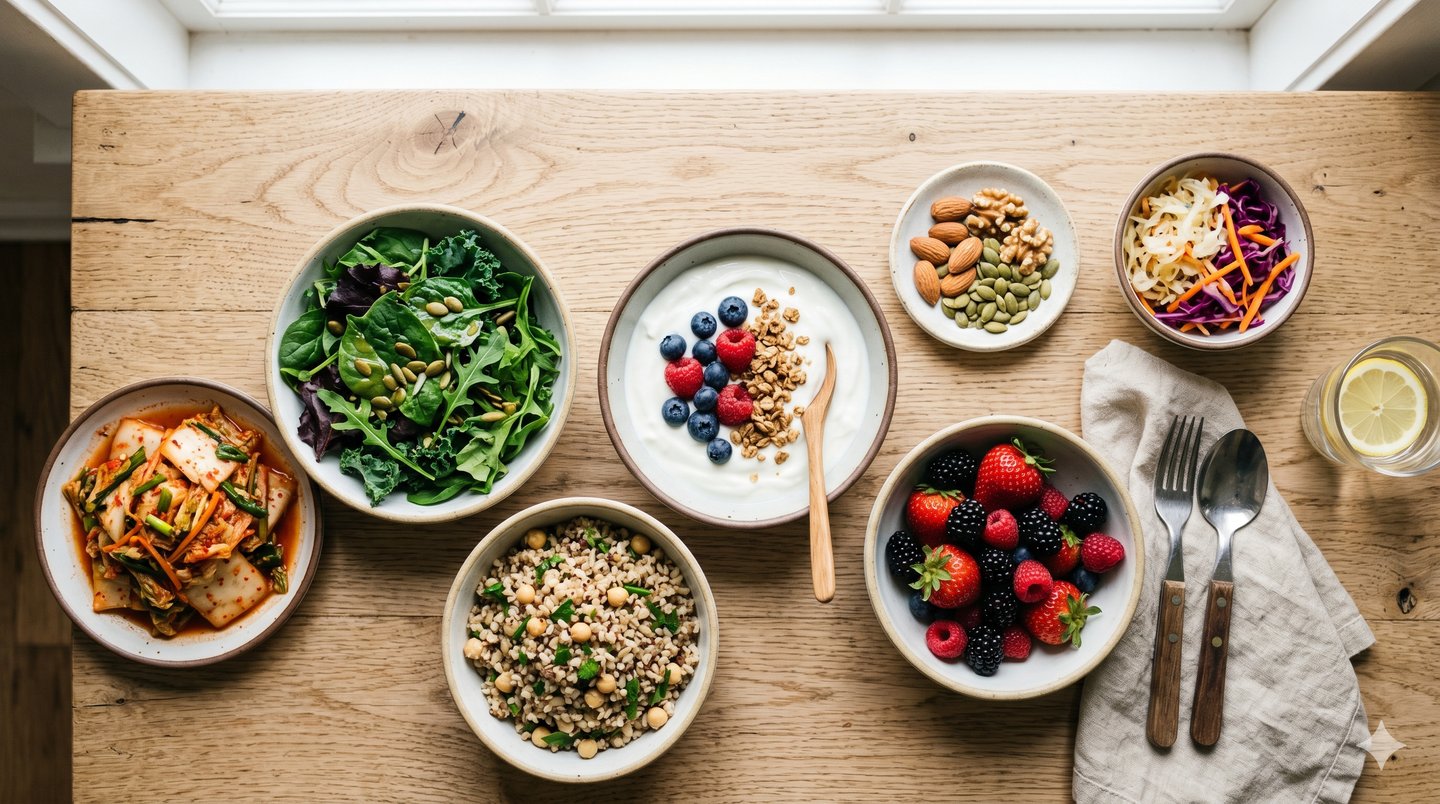
Gut health has become one of the most repeated phrases in wellness, stamped on yoghurt pots, supplement bottles and countless social media posts. The problem is that the louder a health idea gets, the harder it becomes to separate solid science from clever marketing. The good news is that researchers have learned a great deal about the gut in the last decade, and the practical advice that survives scrutiny is refreshingly simple.
Most of it comes down to feeding the trillions of microbes that live in your digestive tract. This community, known as the gut microbiome, helps break down food, trains your immune system and even influences mood. Keeping it healthy does not require an expensive regime. It mostly requires understanding what these microbes actually want.
Why the gut microbiome matters
The bacteria in your gut are not passive passengers. They ferment the fibre you cannot digest, producing compounds that nourish the cells lining your intestine and help keep inflammation in check. A diverse, well fed microbiome is linked to better digestion, steadier energy and a more resilient immune response.
Scientists are still mapping exactly how this works, and the gut microbiota remains an active area of research rather than a solved problem. What is already clear is that diversity matters. A gut populated by many different species tends to be more stable than one dominated by just a few, and diet is the single biggest lever you have over that balance.
The foods that genuinely help
Fibre is the foundation. Vegetables, fruit, beans, whole grains and nuts all provide the kind of fibre that gut bacteria thrive on. Variety is more useful than quantity, so a colourful mix across the week beats eating the same healthy salad every day.
Fermented foods are the other reliable winner. Yoghurt with live cultures, kefir, sauerkraut, kimchi and miso introduce beneficial microbes directly. Research consistently points to fermented foods for gut health as one of the few interventions with real evidence behind it, partly because regularly eating them appears to increase microbial diversity and lower markers of inflammation.
The foods worth cutting back
It helps to know what works against you too. The usual suspects among the worst foods for gut health are heavily processed products high in sugar, refined flour and additives, along with a diet that leans on red and processed meat while skipping plants.
This does not mean a single treat will wreck your gut. The microbiome is responsive and forgiving, and it is the overall pattern across weeks and months that shapes it. Crowding your plate with more plants tends to push out the less helpful foods naturally, which is a kinder approach than strict bans that rarely last.
Habits beyond the plate
Food is the biggest factor, but it is not the only one. Regular movement is associated with greater microbial diversity, and poor sleep appears to disrupt the gut just as it disrupts the rest of the body. Chronic stress matters as well, thanks to the constant chemical conversation between the gut and the brain.
Antibiotics deserve a mention too. They are sometimes essential and save lives, but they also clear out beneficial bacteria along with the harmful ones. The sensible response is not to avoid them when a doctor prescribes them, but to rebuild afterwards with fibre rich and fermented foods.
A note on tests and specialists
Home microbiome tests have become popular, yet most experts caution that the science is not yet precise enough to turn a sample into reliable personal advice. They can be interesting, but they are not a substitute for the basics. If you do have persistent digestive problems, a doctor is a better first stop than a kit bought online.
If your care ever crosses a language barrier, perhaps seeing a specialist abroad or carrying records between clinics, accurate certified medical translation becomes part of getting the right diagnosis. For everyday curiosity, communities like r/nutrition can be a useful place to compare notes, as long as you treat anecdotes as starting points rather than prescriptions.
How long before you notice a change
One reason people give up on gut friendly eating is that they expect overnight results. The microbiome does respond quickly, with measurable shifts in its makeup within days of changing your diet, but the benefits you actually feel tend to arrive more gradually. Many people report steadier digestion and less bloating within two to four weeks of eating more fibre and fermented foods. The deeper gains in diversity and resilience build over months. Treating it as a steady habit rather than a quick fix is the mindset that produces lasting results, and it removes the pressure to chase the next trending supplement.
The honest summary is that good gut health is not a product you buy. It is the slow result of eating plenty of plants, adding fermented foods, moving regularly, sleeping well and managing stress. None of it is dramatic, which is probably why it sells so poorly and works so reliably.