Environmental sanitation means the safe management of human waste, solid waste, wastewater, drainage, and cleanliness in shared spaces. When these systems fail, families can be exposed to various illnesses through contaminated water, unsafe food, flies, mosquitoes, and direct contact with pathogens. The World Health Organization reports that 3.5 billion people lacked safely managed sanitation in 2022, which shows why sanitation remains a major public health issue (WHO/UNICEF Joint Monitoring Programme).
Can poor sanitation really lead to various illnesses?
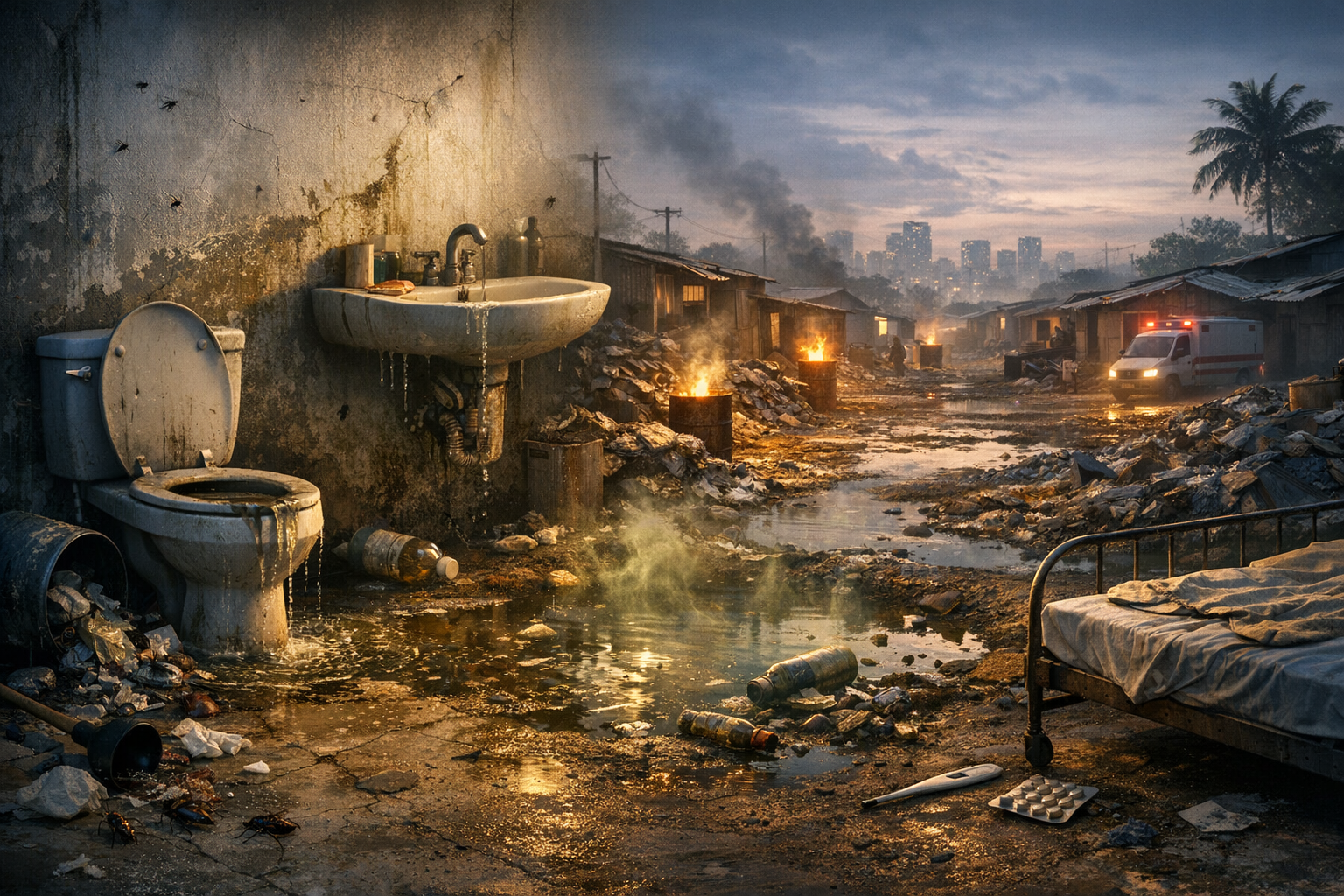
Yes. Poor sanitation creates conditions where bacteria, viruses, parasites, and disease-carrying insects can spread more easily from waste to people. Common outcomes include diarrheal disease, cholera, typhoid fever, intestinal worm infections, skin infections, and mosquito-borne diseases such as dengue in areas with stagnant water.
The route of infection is often simple and preventable. Human waste or garbage contaminates water, soil, hands, surfaces, or food, then people swallow or touch the germs without realizing it. WHO estimates that at least 1.4 million deaths each year are linked to inadequate water, sanitation, and hygiene, often shortened to WASH (World Health Organization).
For authoritative background, see the WHO sanitation fact sheet. This is a useful source for health workers, teachers, and community leaders who need evidence-based sanitation information.
Why does unsafe waste and dirty water spread disease so quickly?
Unsafe waste and dirty water spread disease quickly because many pathogens leave the body through feces and can survive long enough to reach another person. This is called fecal-oral transmission, and it is a major pathway for diarrheal illness, hepatitis A, cholera, and typhoid. Children are especially vulnerable because they play close to the ground, put hands or objects in their mouths, and can become dehydrated faster than adults.
Blocked drains, open trash, and uncovered water containers also attract vectors. Flies can move germs from feces or garbage to food, while mosquitoes breed in standing water and can transmit diseases depending on the region. Poor drainage around homes, schools, markets, and clinics therefore increases both infection risk and nuisance pests.
Food safety is another concern. If a cook rinses vegetables with contaminated water or handles food after using an unsanitary toilet, germs can spread to an entire household or group. The CDC emphasizes that handwashing with soap can reduce diarrheal diseases by about 30 percent, making hygiene one of the most practical defenses (Centers for Disease Control and Prevention).
How can households and communities reduce sanitation related illness?
In plain terms, poor environmental sanitation can cause various illnesses because it allows germs to move from waste, dirty water, and pests into the places where people eat, drink, cook, sleep, and play. The most effective prevention plan combines safe toilets, clean water, hand hygiene, waste control, and drainage maintenance. No single action solves every risk, but consistent basic practices can sharply reduce exposure.
Households should keep drinking water in covered containers, use a clean ladle or tap, and avoid dipping hands or cups directly into stored water. Toilets or latrines should be kept functional, private, and separated from drinking water sources when possible. Waste bins should have lids, and garbage should be removed before it attracts flies, rats, or stray animals.
Handwashing matters most after using the toilet, after cleaning a child, before preparing food, before eating, and after handling garbage. Soap and running water are ideal, but a clean water container with a simple tap can work where plumbing is limited. For practical hand hygiene guidance, review the CDC handwashing resources.
Communities can reduce risk by clearing blocked drains, organizing regular waste collection, protecting wells, and reporting sewage leaks quickly. Schools and workplaces should provide clean toilets, safe water, menstrual hygiene facilities, and handwashing stations with soap. Local inspections of food vendors, drainage channels, and public toilets help identify problems before outbreaks occur.
What warning signs suggest sanitation is harming health?
Repeated diarrhea in the same household, frequent stomach cramps, unexplained vomiting, skin infections, or clusters of fever after eating shared food may point to sanitation or water problems. A sudden increase in mosquitoes, foul-smelling drains, overflowing latrines, or visible sewage near homes should be treated as a health warning. These signs deserve prompt action because exposure can continue every day until the source is fixed.
Medical care is urgent if a child has diarrhea with blood, signs of dehydration, persistent vomiting, high fever, or extreme weakness. Public health authorities should be notified when several people in one area develop similar symptoms after using the same water source or eating at the same location. Early reporting helps health teams test water, trace food contamination, and prevent wider spread.
Families should not rely only on smell or appearance to judge safety. Water can look clear and still contain harmful microbes, including E. coli, Giardia, or viruses. When contamination is suspected, follow local public health advice on boiling, filtration, chlorination, or using a verified safe water source.
Conclusion
Clean surroundings are not just about comfort or appearance. Safe sanitation interrupts the pathways that carry germs from waste, water, pests, and dirty hands into the body, reducing the risk of various illnesses at home and across the community.
If sanitation problems are visible where you live, start with the highest-risk points first: drinking water, toilets, handwashing, garbage storage, and stagnant water. For persistent sewage, drainage, or waste collection issues, contact local health or municipal services and encourage neighbors to act together.